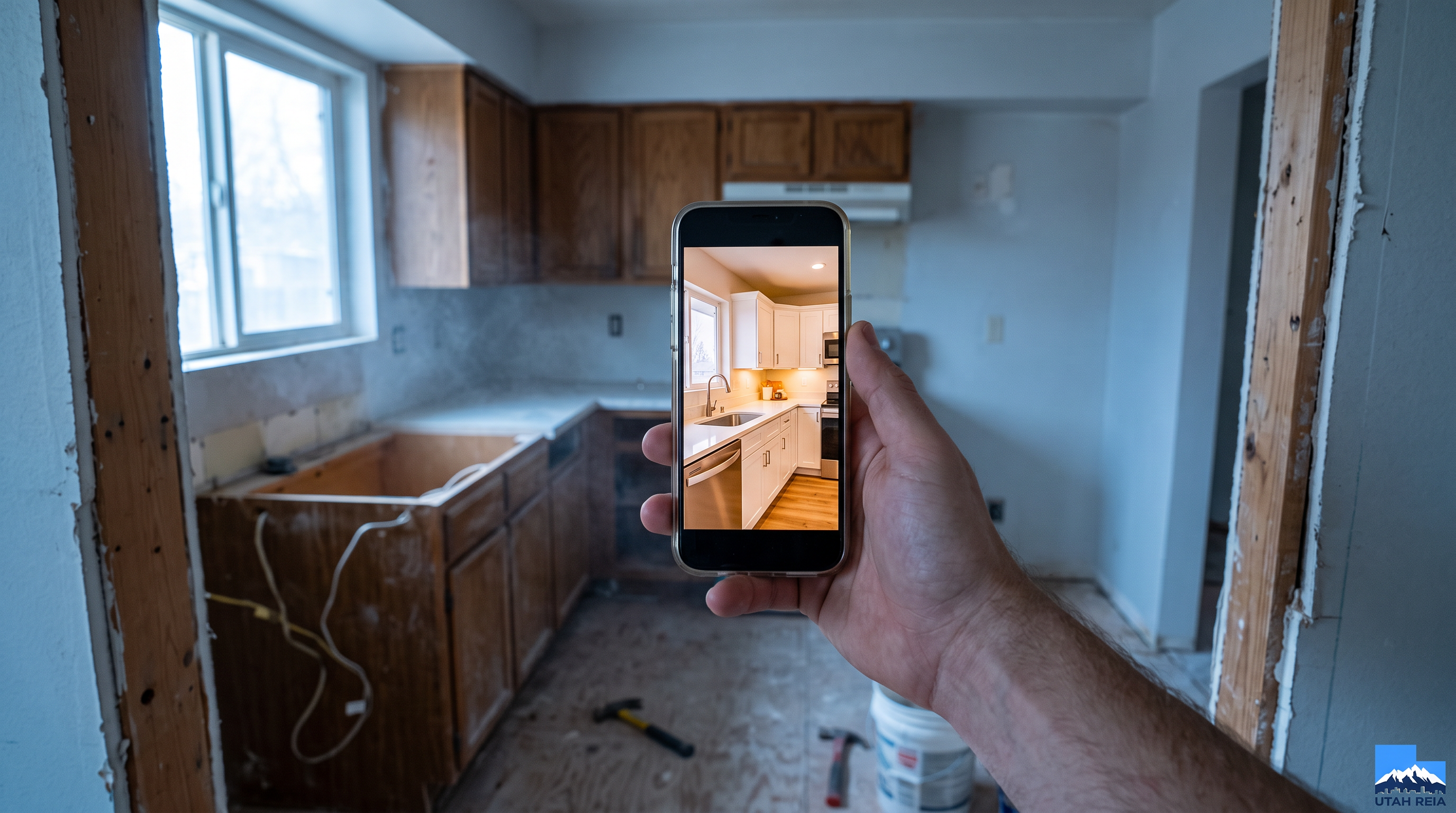
From Helpful Tool to Hidden Risk: Why AI Listing Photos Are Backfiring Now
AI-powered listing photos promised faster marketing, lower costs, and picture-perfect real estate photos. But in 2026, many investors, agents, and buyers are discovering the downside.
AI photos exploded in real estate because they’re fast, inexpensive, and surprisingly good. Virtual staging, sky replacement, clutter removal, and even full room recreations can now be done in minutes for a fraction of traditional staging costs. Tools highlighted by platforms like Roomagen and BoxBrownie have become standard in many markets, helping listings look brighter, cleaner, and more inviting.
If used responsibly, these technologies support better listing images and more engaging real estate photos. The challenge is that the line between “enhanced” and “fictional” is getting blurry, and that’s where things start backfiring for investors and professionals who rely on repeat business and referrals.
On the legal side, regulators are catching up. In California, AB‑723 now requires disclosure when photos are digitally altered and mandates access to the originals. The state’s real estate department has reminded licensees that “AI” is not a loophole; ads must still be accurate and non-misleading. Similar scrutiny is likely to spread, and Utah investors should expect more attention on how AI photos are used in marketing and advertising.
AI changes what a property is, not just how it’s shown; you’re stepping into misrepresentation territory, not a smart risk for any serious investor or professional.