How Do Real Estate Investors Manage Seller Leads?
How Do Real Estate Investors Manage Seller Leads?
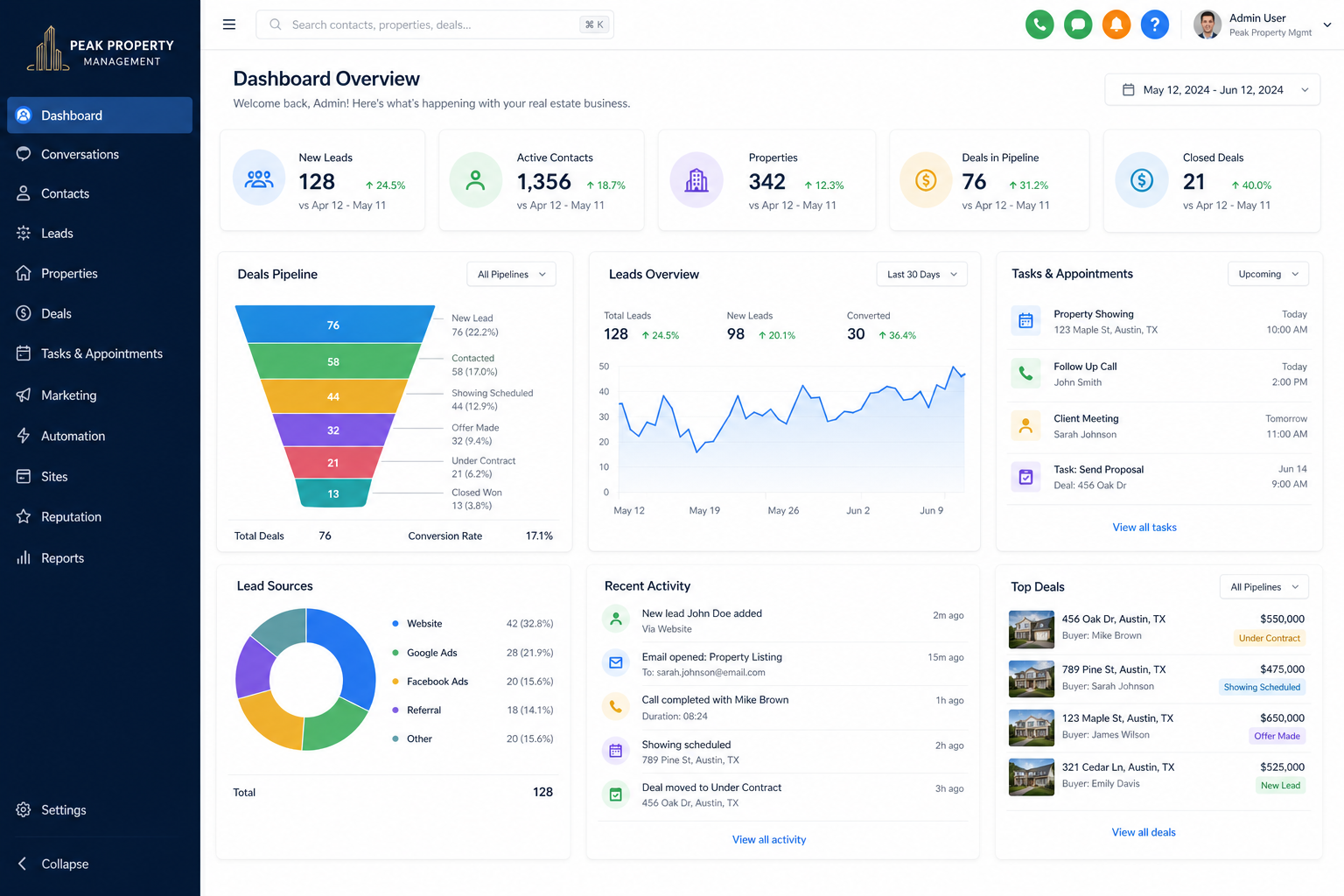
Real estate investors manage seller leads using CRM systems that capture inquiries from websites, calls, texts, and marketing campaigns. These systems organize seller information, property details, and communication history so investors can track opportunities and follow up consistently.
Introduction
In real estate investing, opportunities often begin with a single message.
A homeowner fills out a form on a website.
A seller sends a text asking about a quick sale.
A referral introduces a property owner looking for options.
These moments are what investors call seller leads.
But here is the challenge: motivated sellers rarely contact just one investor. Many reach out to several buyers at the same time. The investor who responds quickly, tracks the conversation, and follows up consistently is usually the one who wins the deal.
That is why experienced investors rely on lead management systems that organize every opportunity from the first contact to the final closing.
Why Managing Seller Leads Matters
Motivated sellers often contact multiple investors before deciding who to work with. If an investor fails to respond quickly or forgets to follow up, the opportunity may disappear.
This happens more often than people realize.
A new investor may receive a few inquiries each week and try to manage them through email or handwritten notes. At first, this feels manageable. But as marketing begins to work and more sellers start reaching out, it becomes easy to lose track of conversations.
Professional investors solve this problem by creating a structured lead management system.
Effective lead management allows investors to:
• respond faster to inquiries
• track property information accurately
• maintain organized communication with sellers
• prioritize the most promising opportunities
• close more deals over time
A well-managed lead pipeline turns scattered inquiries into clear, organized opportunities.

Typical Seller Lead Workflow
Most investors follow a structured workflow when managing incoming opportunities.
Instead of relying on memory, they move each lead through a deal pipeline that tracks the status of every conversation.
A typical seller lead workflow looks like this:
1. Lead inquiry received
A seller contacts the investor through a website form, text message, phone call, or marketing campaign.
2. Contact details recorded
The investor collects basic information such as the seller's name, phone number, and property address.
3. Property information collected
Additional details about the home are gathered, including condition, timeline to sell, and estimated value.
4. Opportunity placed in deal pipeline
The lead is moved into a structured pipeline where investors track conversations and deal progress.
5. Follow-up scheduled
Many sellers need time before making a decision. Investors schedule reminders so the conversation continues.
This structured process ensures that no opportunities are forgotten.
Investors who consistently follow this system often discover that many deals come from follow-ups weeks or even months after the first conversation.
Tools Investors Use
Managing seller leads manually becomes difficult once marketing begins producing consistent inquiries.
That is why many investors rely on specialized tools designed for real estate lead management.
These tools help investors capture and organize opportunities automatically.
Examples include:
Investor CRM Platforms
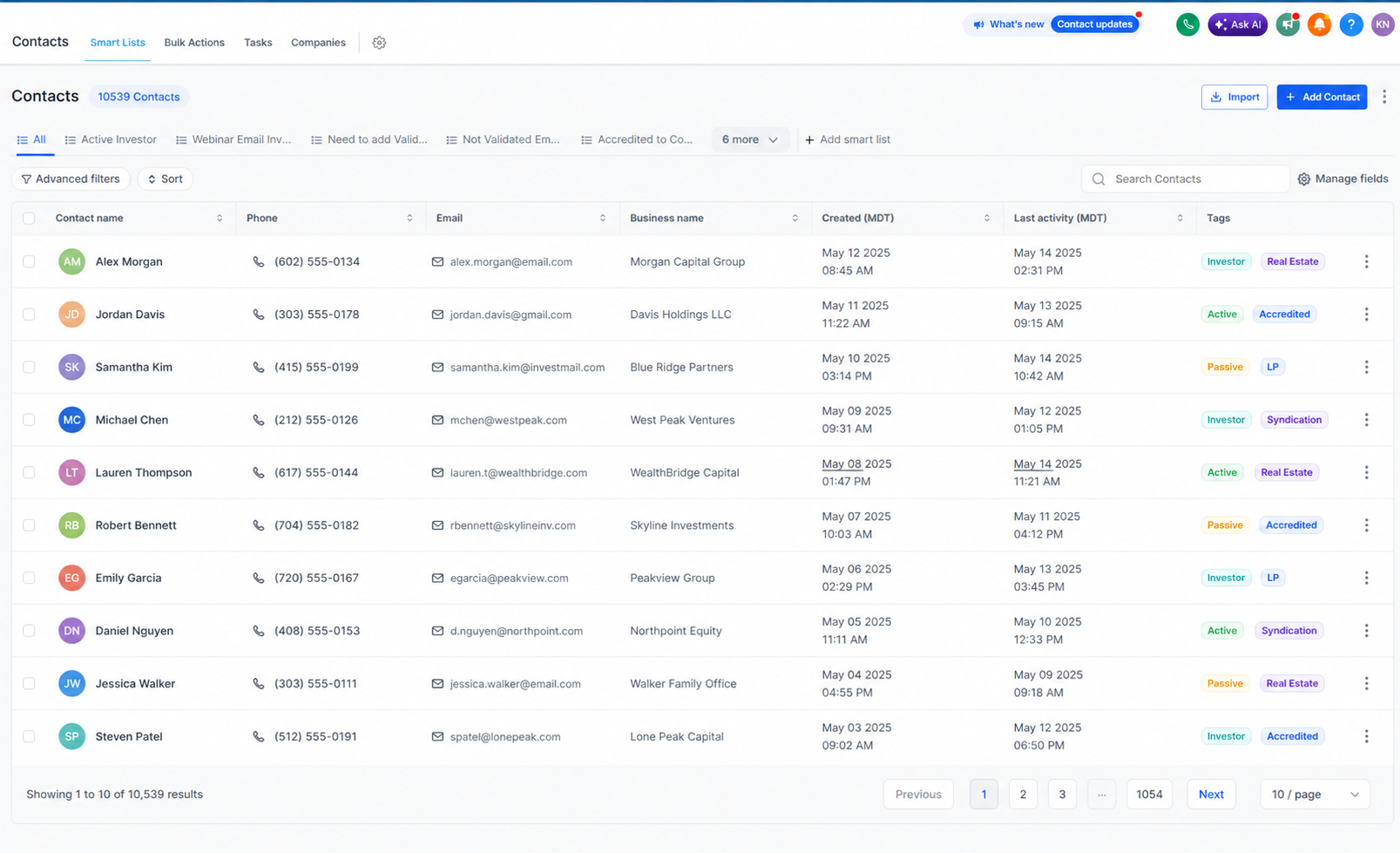
CRM systems store seller contact details, property information, notes, and communication history in one organized location.
AI Lead Response Agents
Some investors use automated assistants that respond instantly to incoming messages and schedule follow-ups.
Property Deal Centers
Deal-sharing platforms allow investors to post or discover opportunities with other buyers, partners, or wholesalers.
Together, these tools create a system where every lead is captured, tracked, and followed up.
Software Investors Often Use
Many investors build their lead management systems using CRM platforms that combine multiple features in one environment.
These systems typically include:
• website lead capture forms
• automated text and email responses
• call tracking
• deal pipelines
• follow-up reminders
• property analysis tools
By connecting marketing campaigns directly to a CRM, investors ensure that every inquiry enters the system automatically.
This approach reduces missed opportunities and creates a repeatable process for managing deals.
FAQ Section
How do investors capture motivated seller leads?
Investors capture seller leads through websites, direct marketing campaigns, phone calls, referrals, and digital advertising. These inquiries are typically routed into a CRM system where they can be organized and tracked.
Why is follow-up important with seller leads?
Motivated sellers often speak with multiple buyers before choosing one. Investors who follow up consistently stay top of mind and significantly increase their chances of securing the deal.
What is a real estate investor CRM?
A real estate investor CRM is software designed to organize seller leads, track conversations, manage deal pipelines, and automate follow-up communication with property owners.
How quickly should investors respond to seller inquiries?
Many experienced investors aim to respond within minutes whenever possible. Fast responses build trust and prevent sellers from moving forward with another buyer.
Conclusion
Real estate deals rarely happen by accident.
Behind most successful investors is a structured lead management system that captures inquiries, organizes conversations, and ensures consistent follow-up.
Motivated sellers are often looking for solutions quickly. The investor who responds first, tracks the opportunity carefully, and maintains clear communication is often the one who secures the deal.
By using CRM systems, automation tools, and a simple deal pipeline, investors turn incoming inquiries into organized opportunities that lead to closed deals.
For investors who want to grow their business, improving lead management is often one of the most impactful steps they can take.