What CRM Do Real Estate Investors Use?
What CRM Do Real Estate Investors Use?
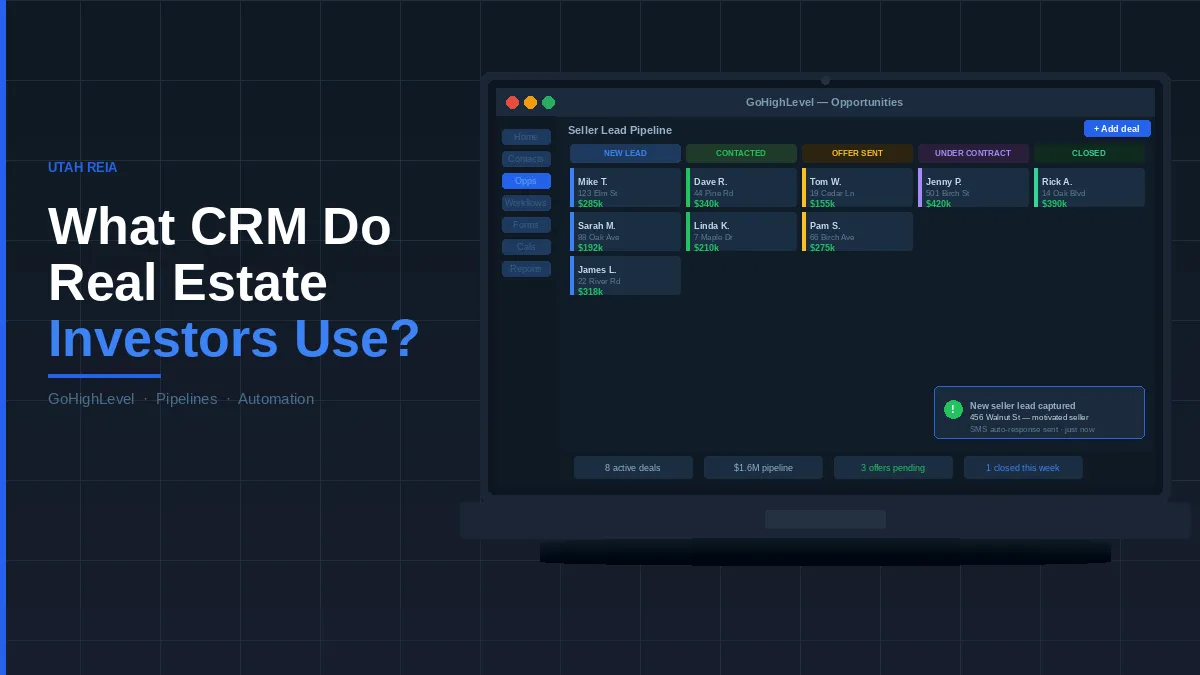
Real estate investors commonly use CRM platforms to organize motivated seller leads, track deal pipelines, and automate follow-up communication. A CRM stores property details, contact information, and conversation history so investors can manage opportunities from first inquiry through closing.
Introduction
Every deal starts as a conversation.
A missed call.
A delayed follow-up.
A note scribbled somewhere you can’t find later.
That’s how opportunities slip through the cracks.
As investors grow, managing leads manually becomes one of the biggest bottlenecks in scaling a real estate business. That’s where CRM systems step in, not just as software, but as the backbone of a repeatable investing process.
The Core Concept
Managing real estate deals means juggling multiple moving parts at once.
Sellers. Buyers. Contractors. Lenders.
Without structure, things get messy fast.
A CRM (Customer Relationship Management system) gives investors a centralized place to manage everything. Instead of jumping between spreadsheets, texts, and emails, every lead and deal lives inside one organized system.
Experienced investors rely on CRM platforms to:
• capture seller leads automatically
• track conversations and notes
• organize deals into clear stages
• automate follow-ups
• manage buyer relationships
This shift isn’t just about convenience, it’s about control.
How Investors Solve This
Lead generation is the lifeblood of any investing business.
But capturing leads is only half the battle.
Investors often get inquiries from:
• direct mail campaigns
• online ads and landing pages
• phone calls from motivated sellers
• social media messages
Without a system, these leads scatter.
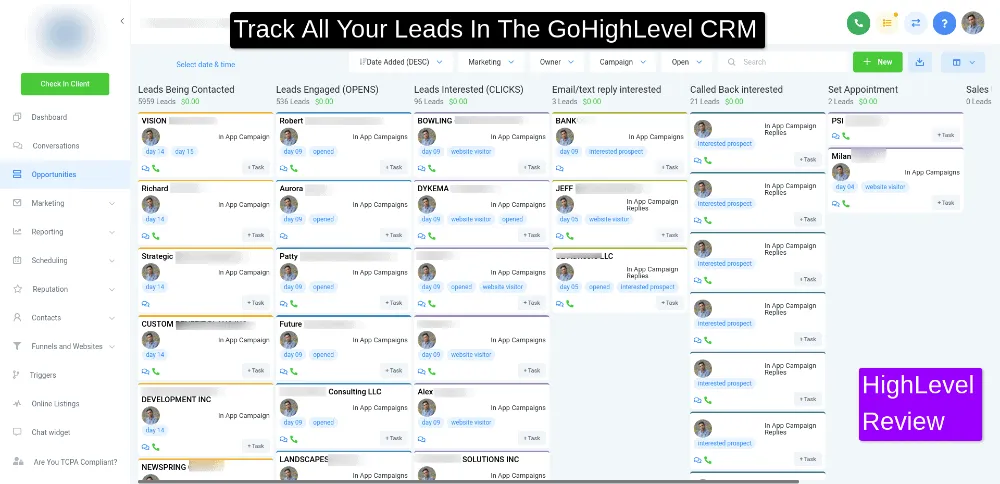
A CRM solves this by automatically capturing and organizing every inquiry.
When a lead enters the system, it records:
• seller contact details
• property address
• property condition
• conversation notes
• follow-up reminders
Now, instead of reacting randomly, investors can follow a structured process review, analyze, and act.
Tools Investors Use
A CRM doesn’t operate in isolation.
It’s part of a larger investing system.
Here’s how it connects with other tools:
Lead Management
→ Investor CRM Platform
Deal Analysis
→ Fix & Flip Calculator
→ BRRRR Calculator
→ Rental Property Calculator
Deal Sourcing
→ Property Deal Center
These tools work together to create a full pipeline—from first contact to closing.
For example:
A seller submits a form → enters the CRM
You analyze the deal → using calculators
You evaluate opportunity → inside your pipeline
You move forward → into closing
That’s how systems replace guesswork.
Software Investors Often Use
Not all CRM platforms are built the same.
Real estate investors need systems designed for deal flow—not just contact storage.
The most valuable CRM features include:
Lead Capture
Automatically collect leads from websites and marketing campaigns.
Follow-Up Automation
Send immediate responses through email or SMS.
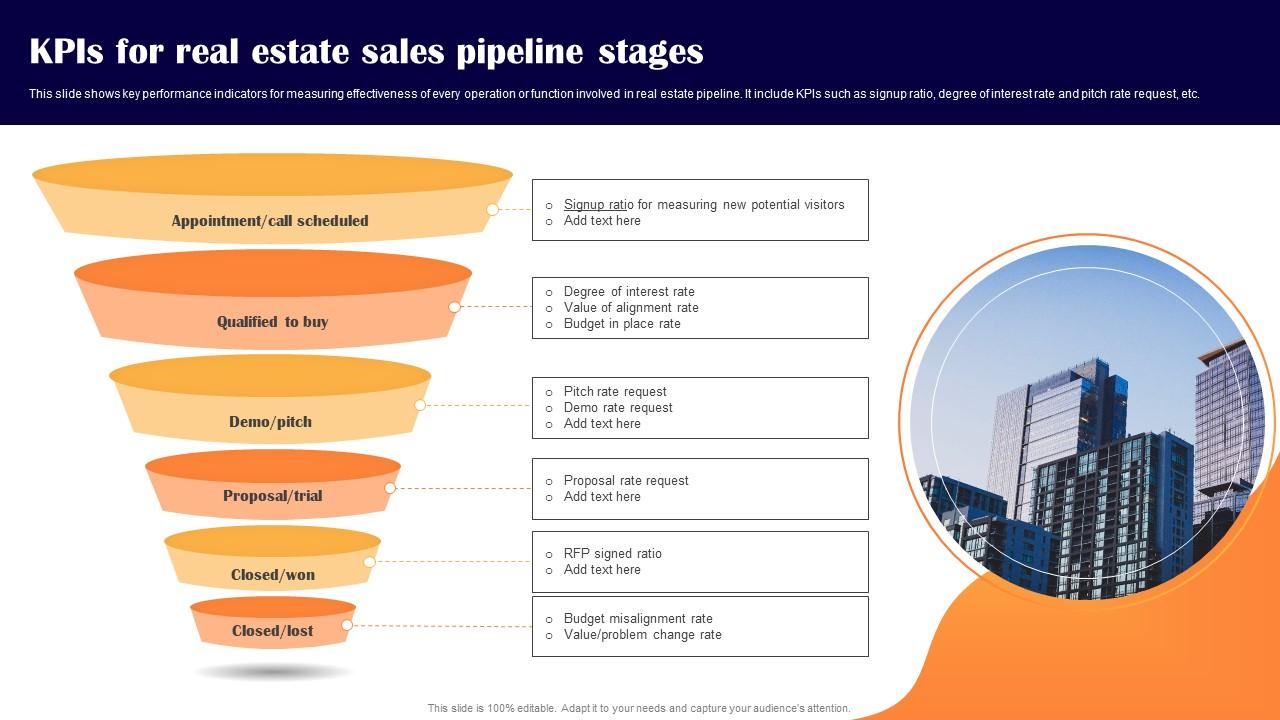
Deal Pipeline Tracking
Move deals through stages like Lead → Offer → Closing.
Communication History
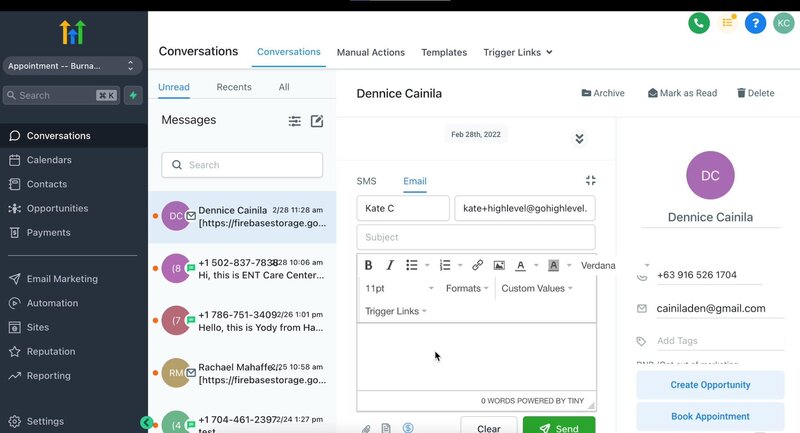
Track every call, text, and email with sellers.
Property & Contact Records
Store everything in one place for easy access.
Many investors also integrate AI Lead Response Agents to instantly respond to new inquiries, giving them a speed advantage in competitive markets.
FAQ Section
What CRM do real estate investors use?
Real estate investors use CRM platforms designed to capture seller leads, organize deal pipelines, and automate follow-up communication.
Why is a CRM important for real estate investors?
A CRM keeps leads organized and ensures consistent follow-up, which prevents missed opportunities and improves deal conversion.
Can CRM software automate follow-up with sellers?
Yes. Many CRM systems automate responses through email and text messaging so sellers receive immediate communication.
Do wholesalers use CRM systems?
Yes. Wholesalers rely heavily on CRM platforms to manage motivated seller leads and track deal progress.
What is the best CRM feature for new investors?
Automation and pipeline tracking are the most valuable features for beginners because they simplify organization and follow-up.
How does a CRM help close more deals?
By improving response time, organizing conversations, and tracking progress, a CRM increases the likelihood of converting leads into deals.
Conclusion
In real estate investing, organization isn’t optional—it’s a competitive advantage.
A CRM system transforms scattered conversations into a structured pipeline. It ensures leads are captured, follow-ups happen, and deals move forward without getting lost.
The investors who scale aren’t necessarily the ones with the most leads.
They’re the ones with the best systems.
If you’re serious about growing your investing business, start by building a process—and let your CRM be the foundation that supports it.